Main Content
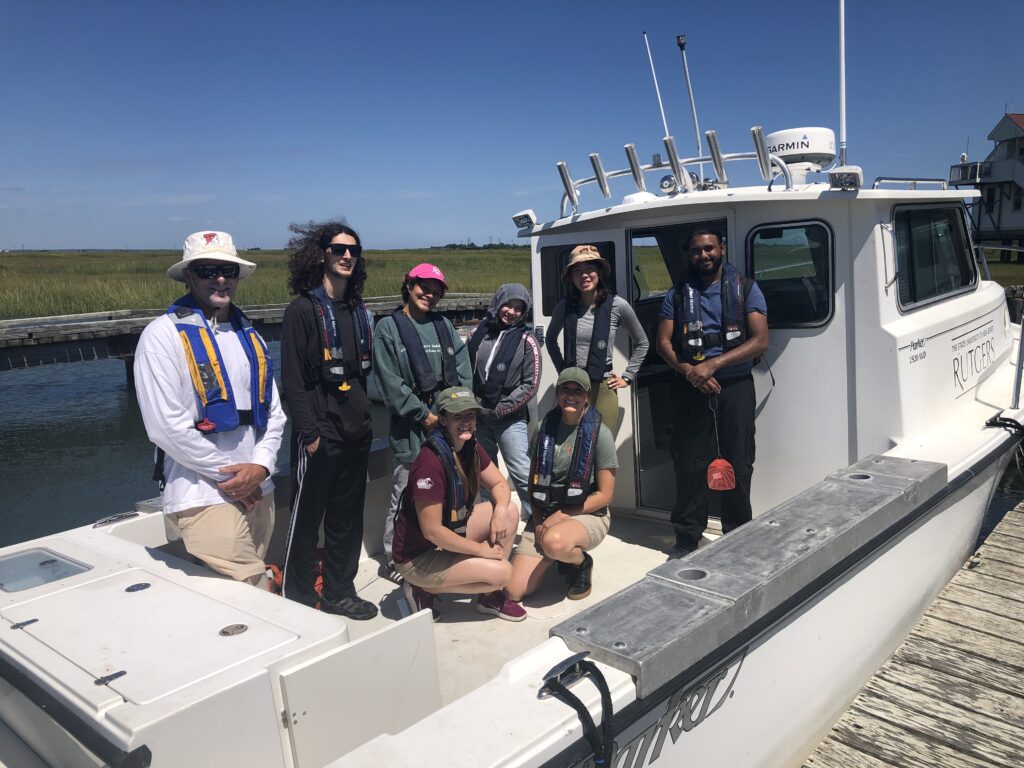
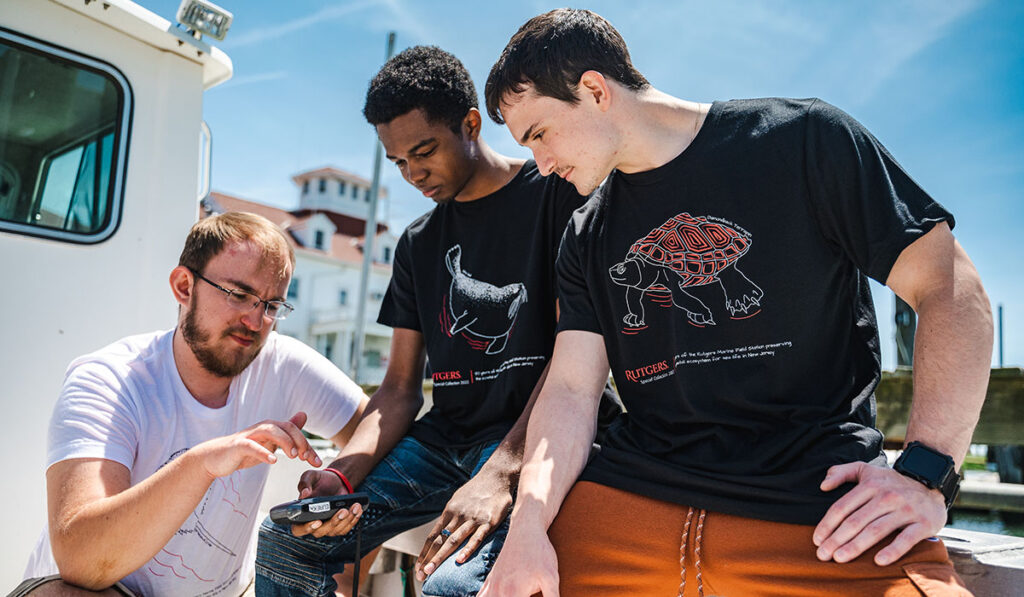
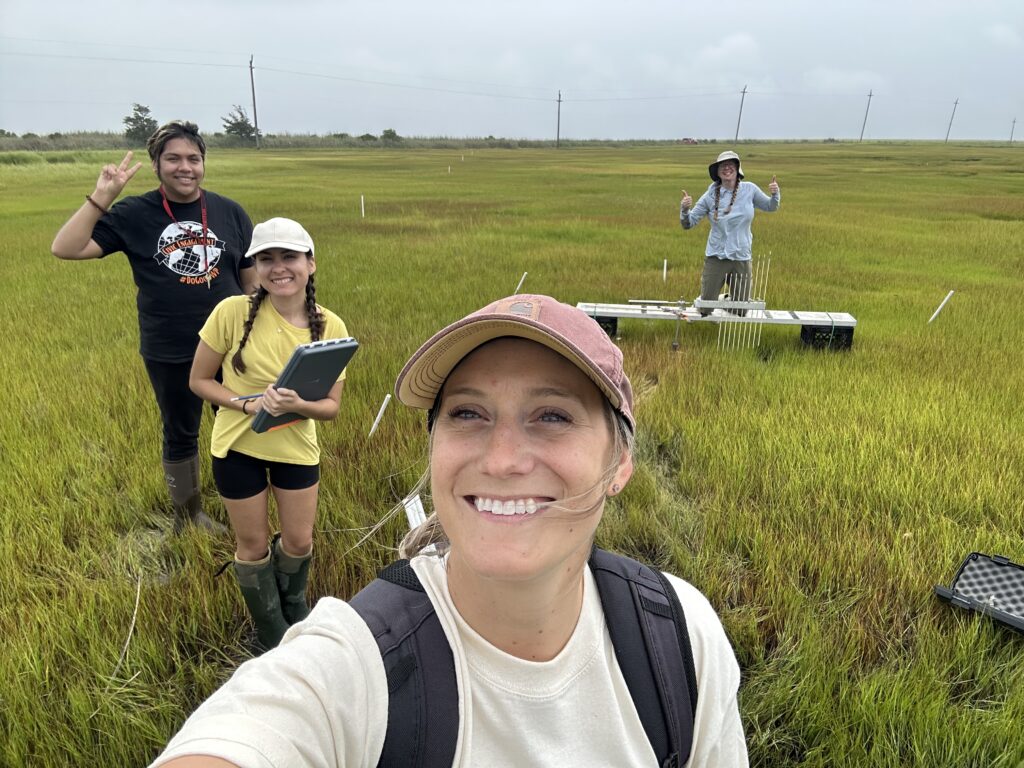
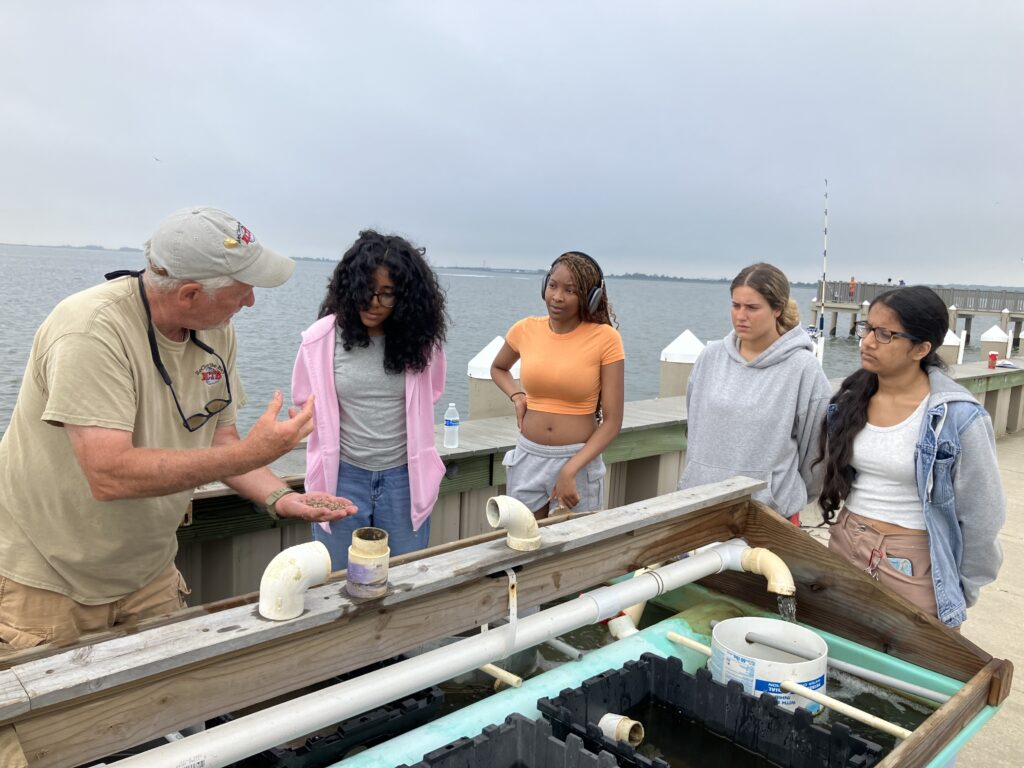
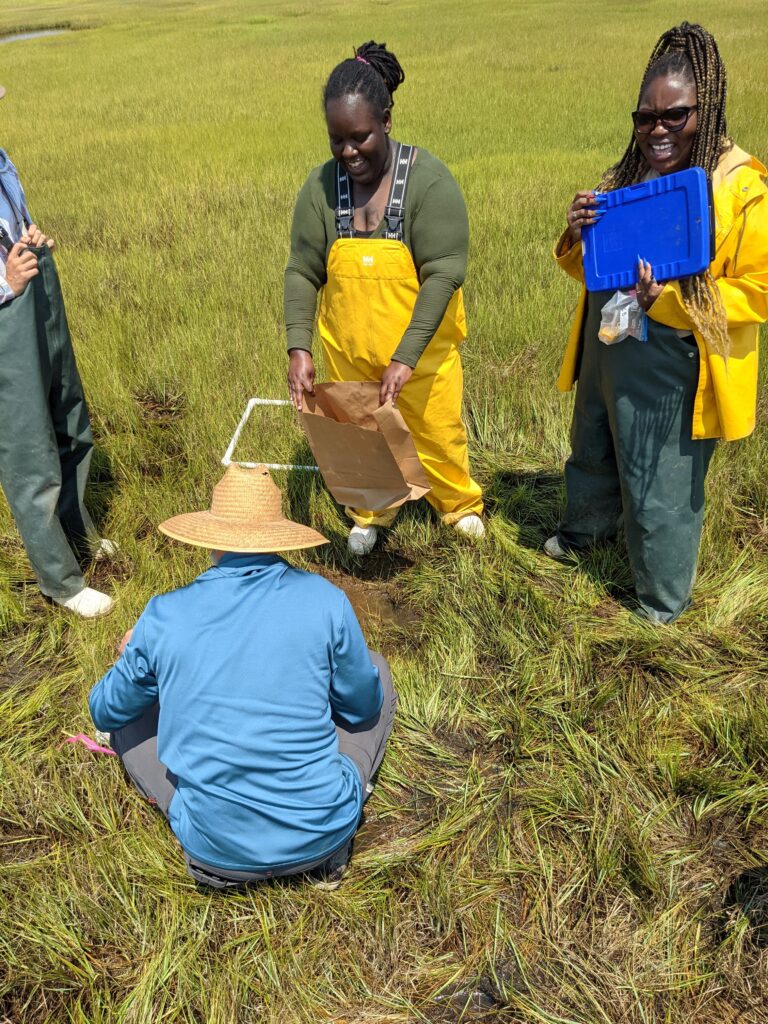
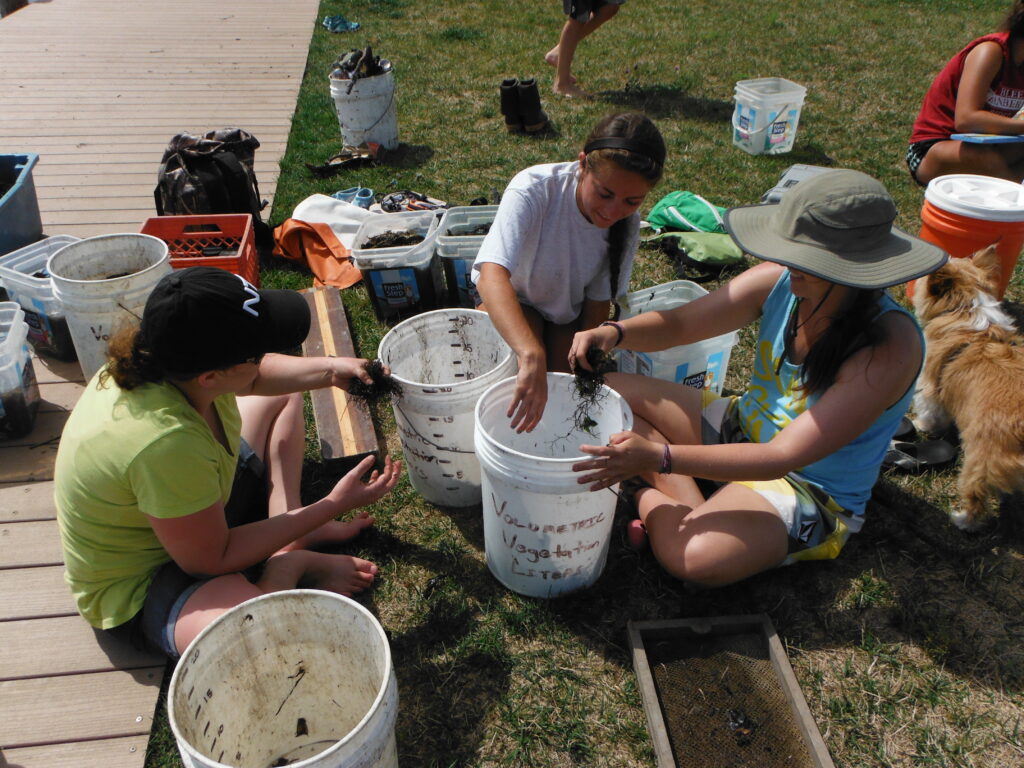
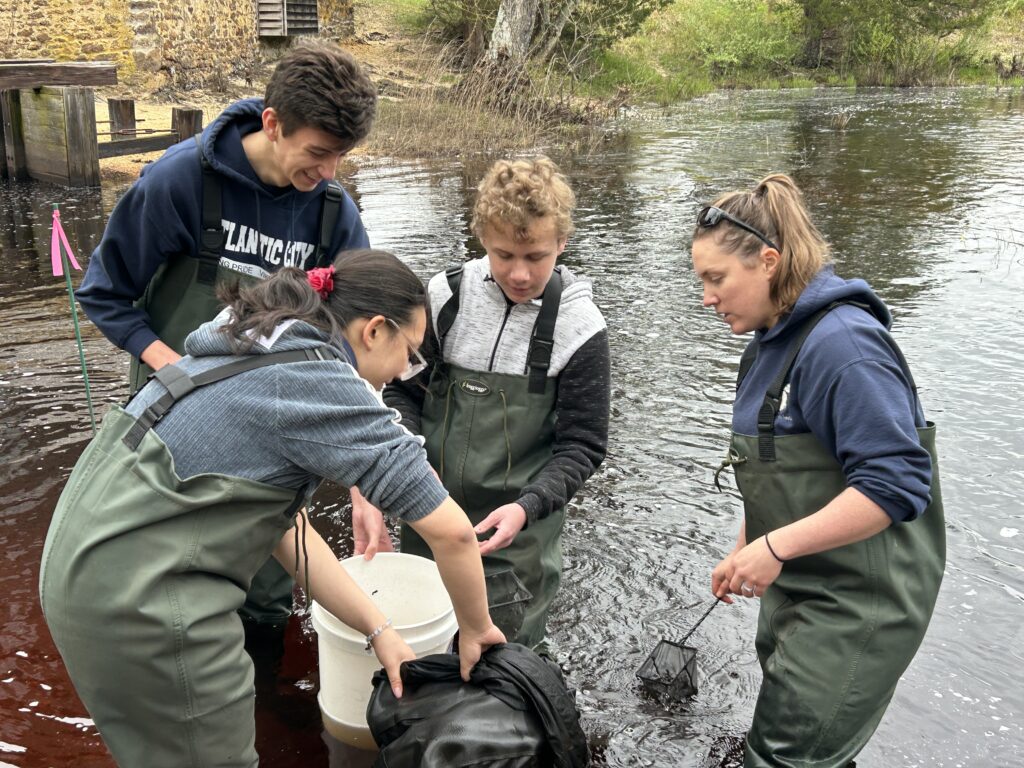
We provide a wide variety of opportunities for students to get involved with our work at the JC NERR and the Rutgers University Marine Field Station (RUMFS).* From boots-in-the-mud & technology research, to communications/outreach/education opportunities, involvement with training programs for coastal decision-makers, and MORE! Whether it is part of our summer internship program, 3-day research experience, a one-day field excursion, or anything in between, there is something for everyone! Get your feet wet and dive into the world of estuaries with us!
Summer Undergraduate Internship Program
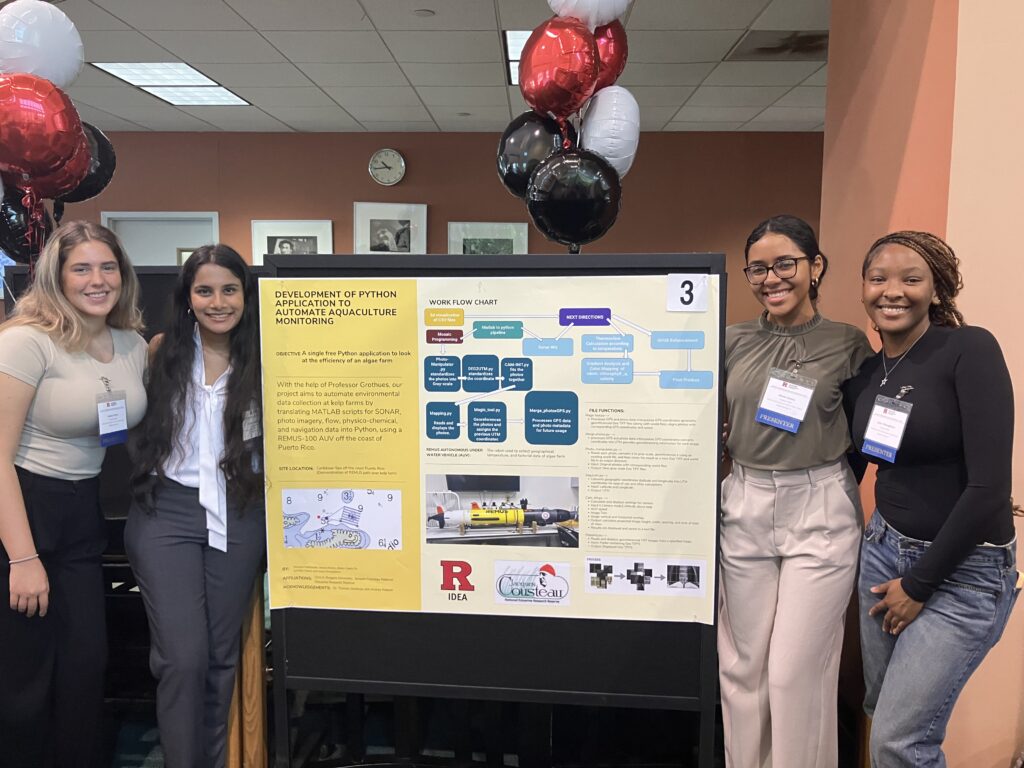
In the summer of 2020, the JC NERR started its undergraduate summer internship program. It is a partnership program with different Rutgers University student groups, such as the Louis Stokes Alliance for Minority Participation, Rutgers Innovation, Design and Entrepreneurship Academy, and the Rutgers Equal Opportunity Fund., to bring underserved students to the JC NERR for exposure to marine and coastal science. Students work with a staff mentor on their project and give a presentation at the end of the 8-week internship. The JC NERR also offers a 3-Day Research Experience for students to come and learn about coastal sciences without having to commit to the entire summer program. Students are exposed to a variety of research, education, stewardship and coastal training programs to generate interest in marine and coastal careers.
Margaret A. Davidson Fellowship
The Margaret A. Davidson (MAD) Graduate Fellowship program began on 2020 and is hosted by the National Oceanic and Atmospheric Administration (NOAA). The two-year fellowship program provides the opportunity for graduate students to conduct collaborative research at one of the 30 National Estuarine Research Reserves. Below are the students that the JC NERR has hosted since the inception of the program.
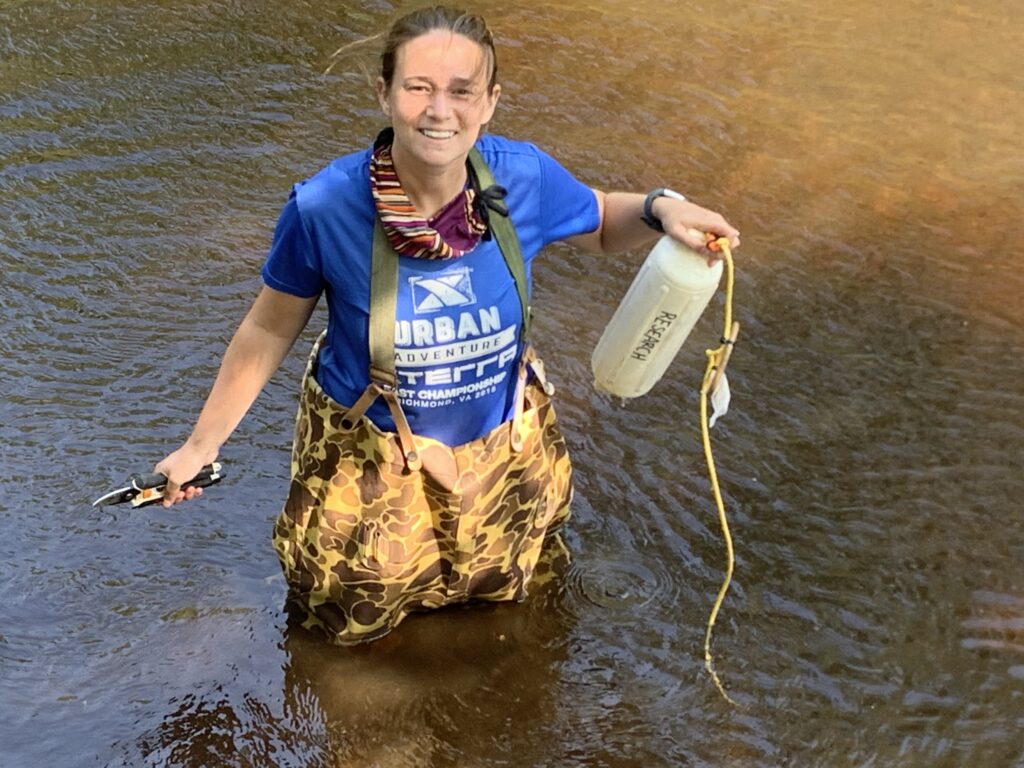
2020-2022 Fellow: Taylor Armstrong
Taylor investigated the occurrence and correlates of harmful algae bloom (HAB) forming species in the NERR. During her fellowship, Taylor documented new HAB species and identified patterns of advection, nutrient enrichment, salinity, and coastal advection vectors, as well as suppression by tannins from the largely intact pinelands watershed. Her project capitalized on the System Wide Monitoring Program (SWMP), particularly the long-term water monitoring stations and nutrient sampling regime. Taylor worked closely with the New Jersey Department of Environmental Protection in coordinating sampling and disseminating results. Taylor has now completed her PhD. Her work was also important in formulating subsequent and ongoing DEP-funded work on HAB reservoirs and inoculum in the JC NERR.
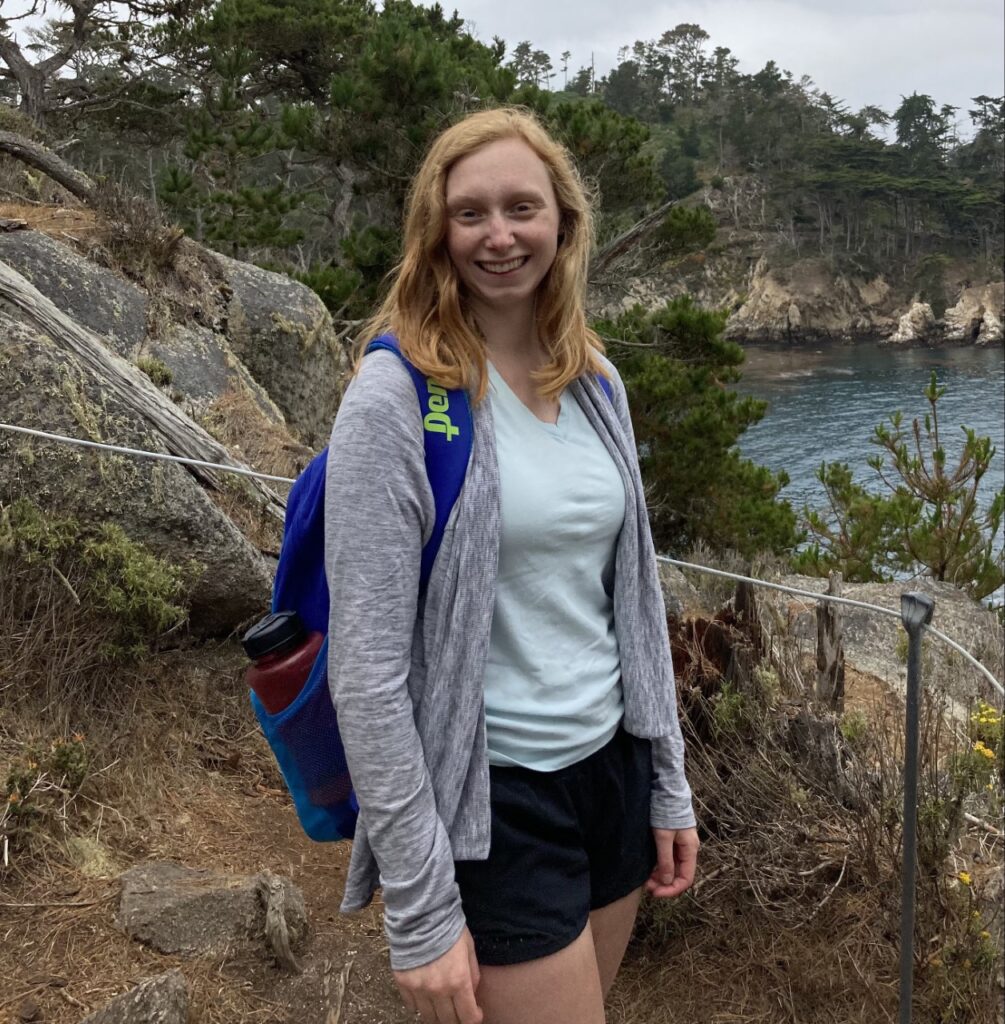
2022-2024 Fellow: Kyra Fitz
Kyra worked on modeling the range projections for Atlantic Croaker, an economically important coastal migrant fish with obligate estuarine nursery grounds. Her approach is novel in that it considers latent genetic selection at the northern edge of the spawning migrant population, rather than population mean tolerance ranges to modify expectations of range adaptation. Understanding this as a mechanism has important implications to predicting the role of climate change on rapidly shifting fish stocks and how they might be managed. Kira continues to develop her dissertation.
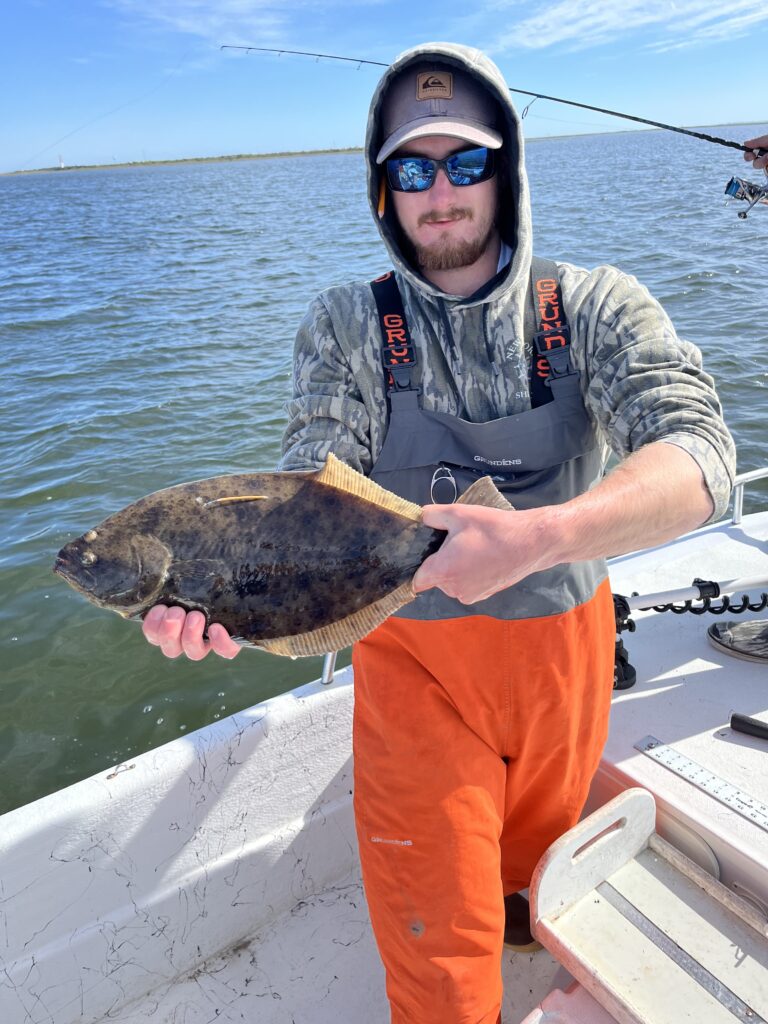
2025-2026 Fellow: Chase Wunder
Chase is examining the connectivity of a facultative estuarine users species, Summer Flounder, that is common and an important economic contributor to bay fishers due to accessibility from salt marsh bay and creek shores and small family boats. There is strong public concern that electric and magnetic fields (EMF) from offshore wind farm power export cables will disrupt migration and limit estuarine entry. Chase is telemetering Summer Flounder between the estuary and ocean and examining inter-estuarine exchange to understand basic life history variation and its relation to environmental cues. These will form the basis of predictions and a baseline for measuring change relative to After wind farm construction.